




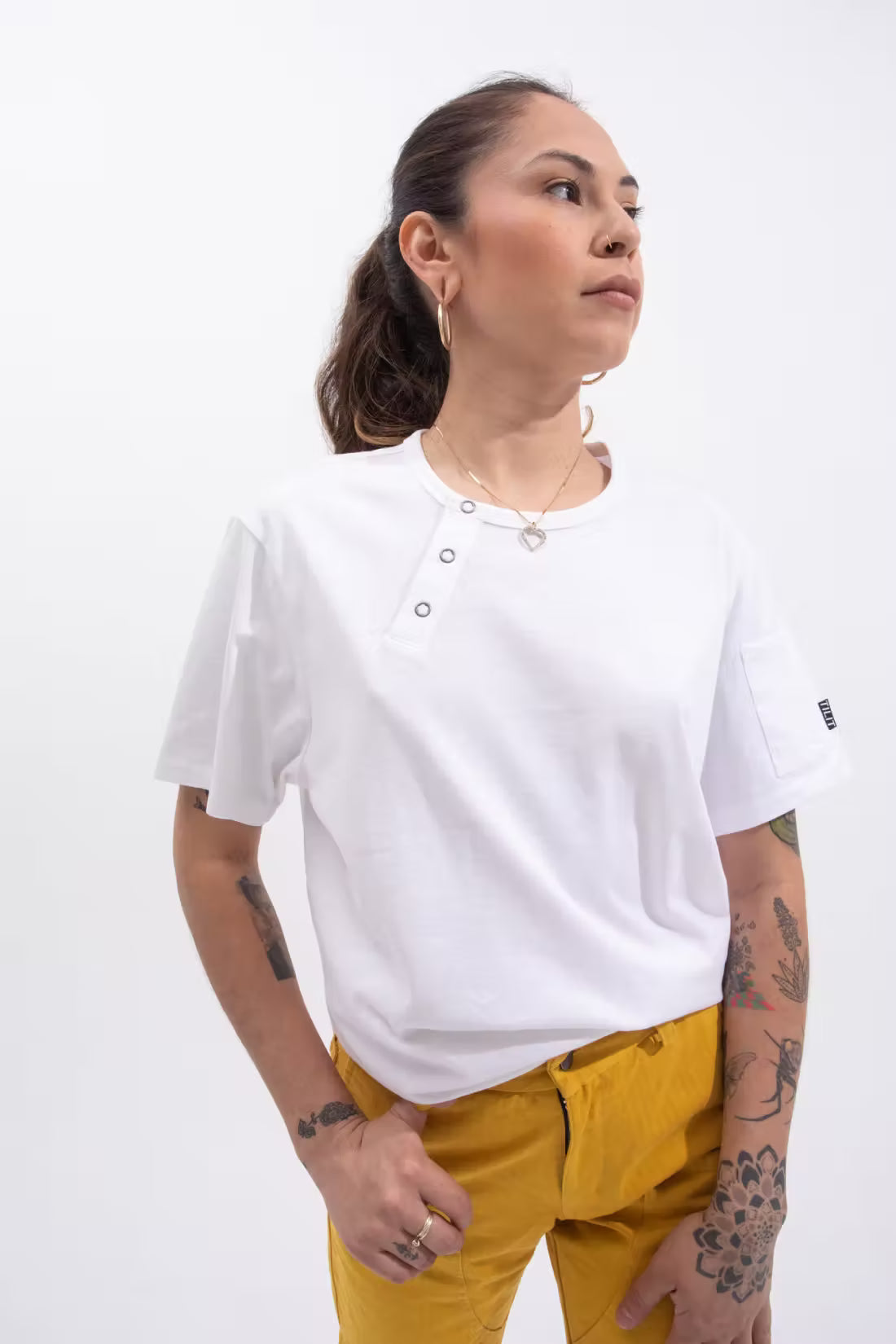


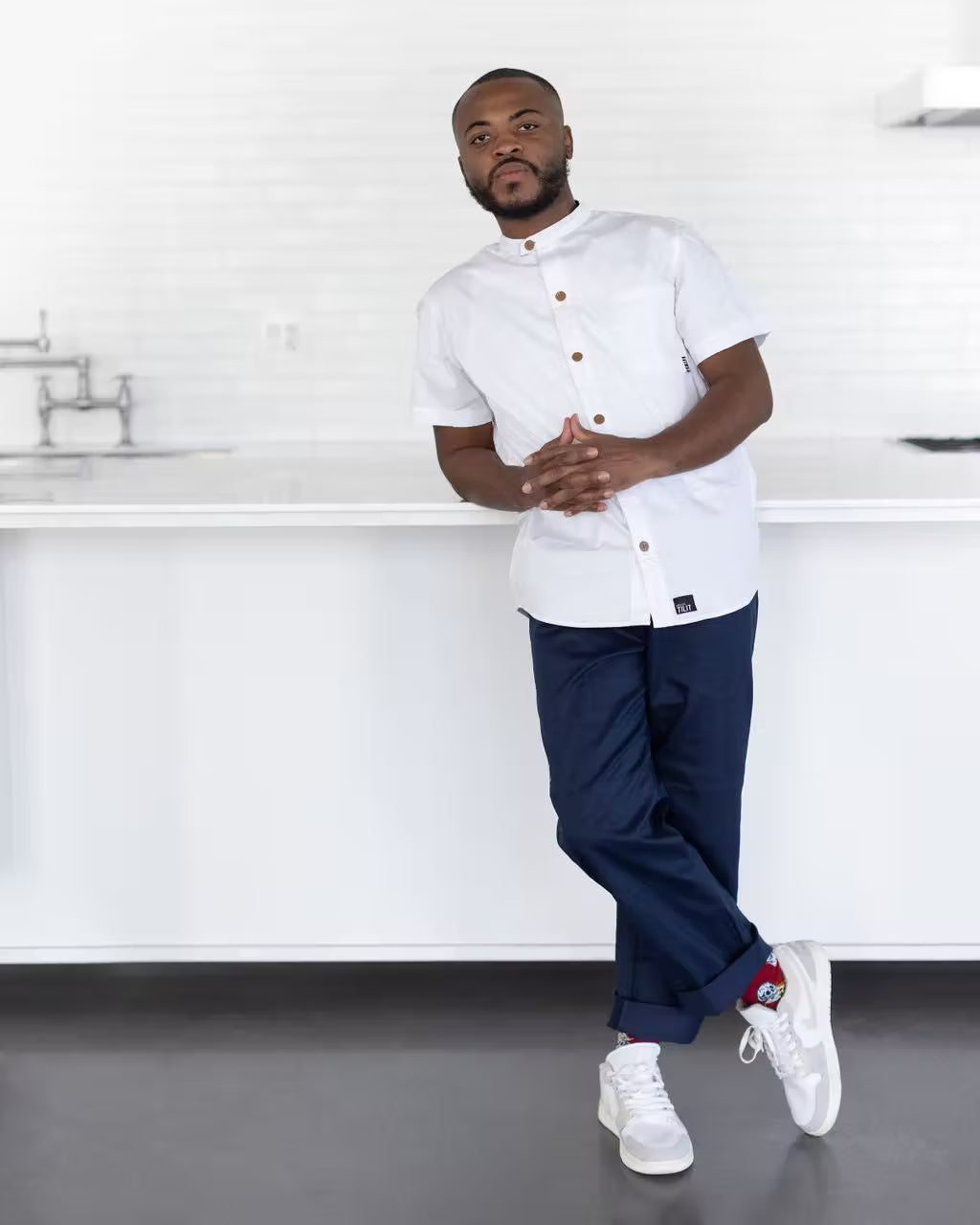

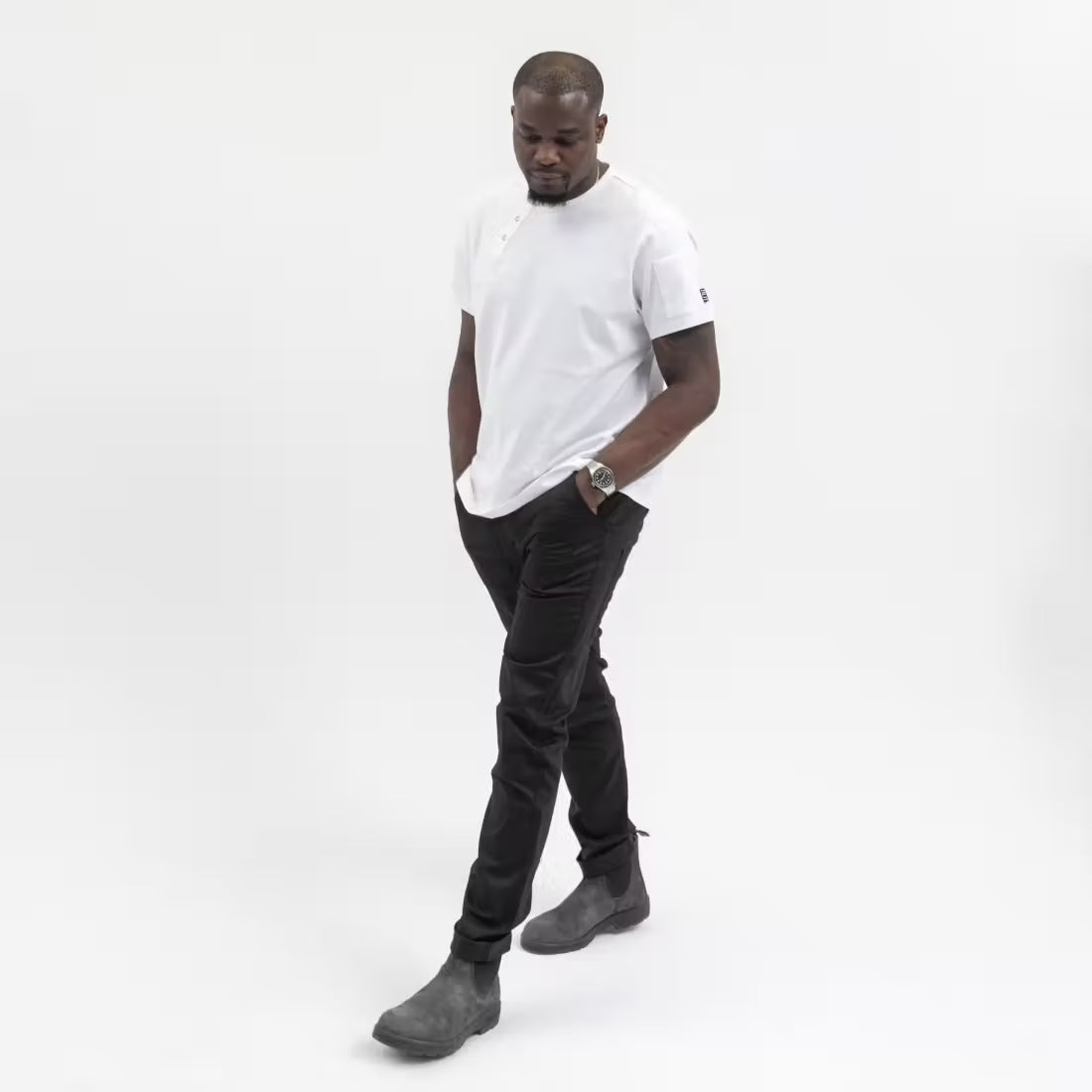

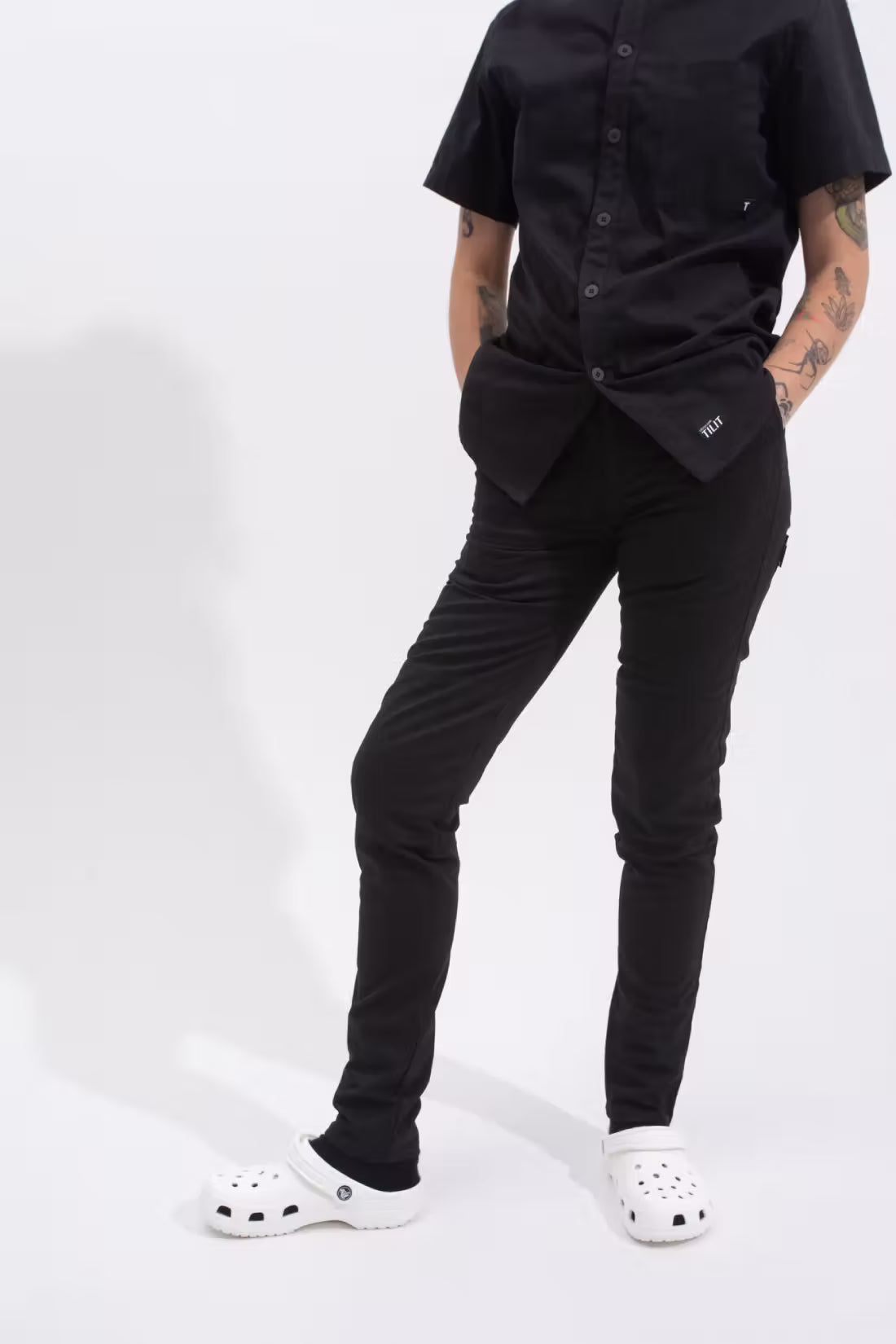



























A tighter path to a uniform program you can reorder with confidence
Orientation: what this page is for
If you’re here for custom restaurant uniforms, treat it like an ops project, not a one-time styling moment. The goal is a uniform system your team can wear hard, you can reorder cleanly, and new hires can slot into without improvising fit or look.
Use this add-on guide to define your kit, standardize choices, and show up to the first conversation with a brief that gets you to samples faster. When you’re ready, keep everything in one thread from the custom uniforms page.
The three decisions that unlock the program
1) Who the program is for (and how strict it needs to be)
- FOH: guest-facing consistency, stain-aware colors, pieces that look clean after a full service.
- BOH: movement, airflow, and storage that works at your station.
- Leads and managers: decide whether the distinction is functional (different pockets/closures) or visual (a single differentiator like color or silhouette).
2) The “must-haves” your team will notice in week one
Write these down as requirements, not preferences. It keeps your vendor conversation concrete and keeps internal feedback from turning into endless revisions.
- Pocket map: how many, where, and what they’re actually holding (thermometer pen, wine key, handheld, towels, Sharpie).
- Closure choices: what your team wants to open/close quickly and what needs to stay flat on the body.
- Heat and moisture behavior: where you want ventilation and where you want structure.
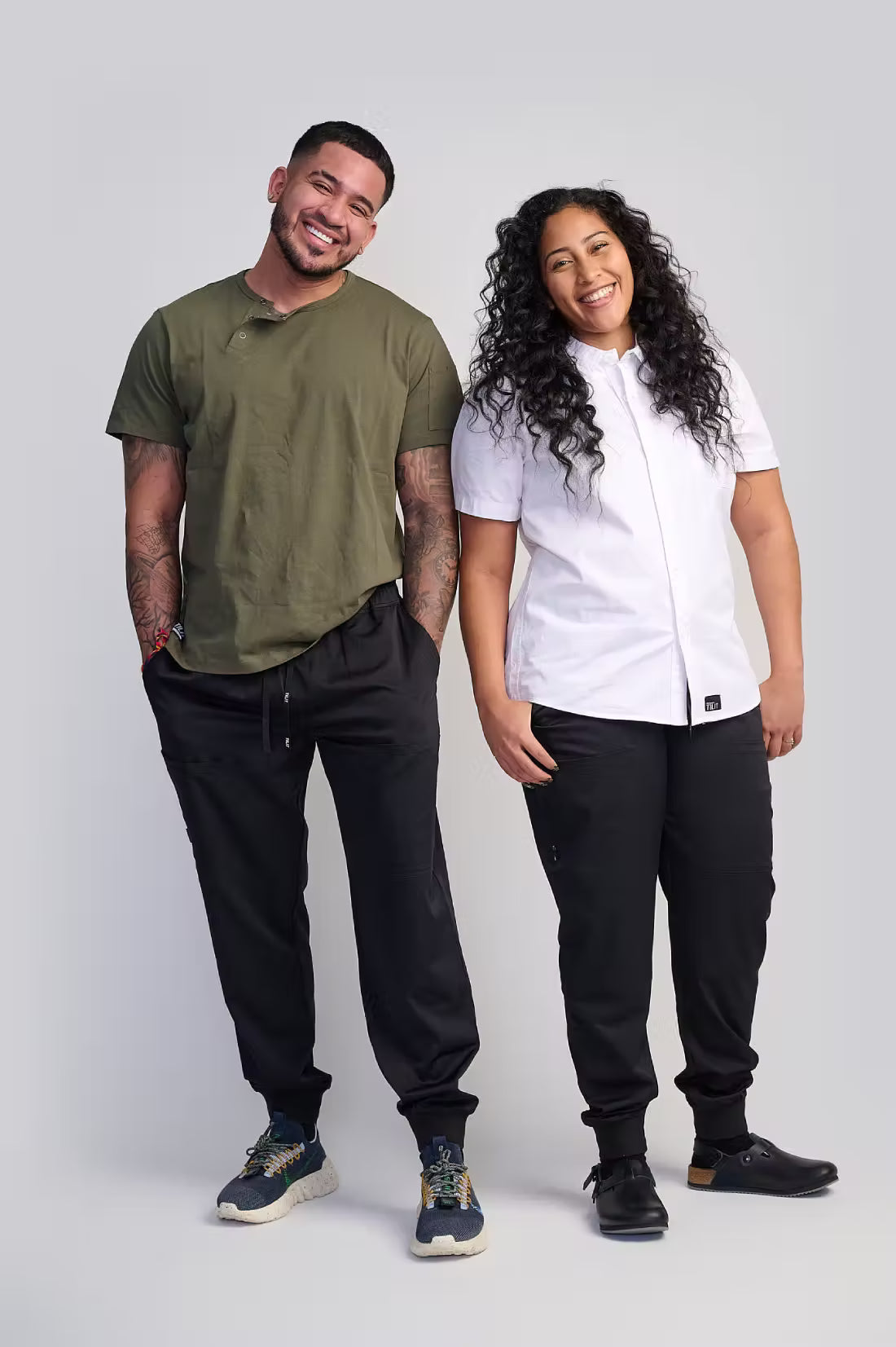
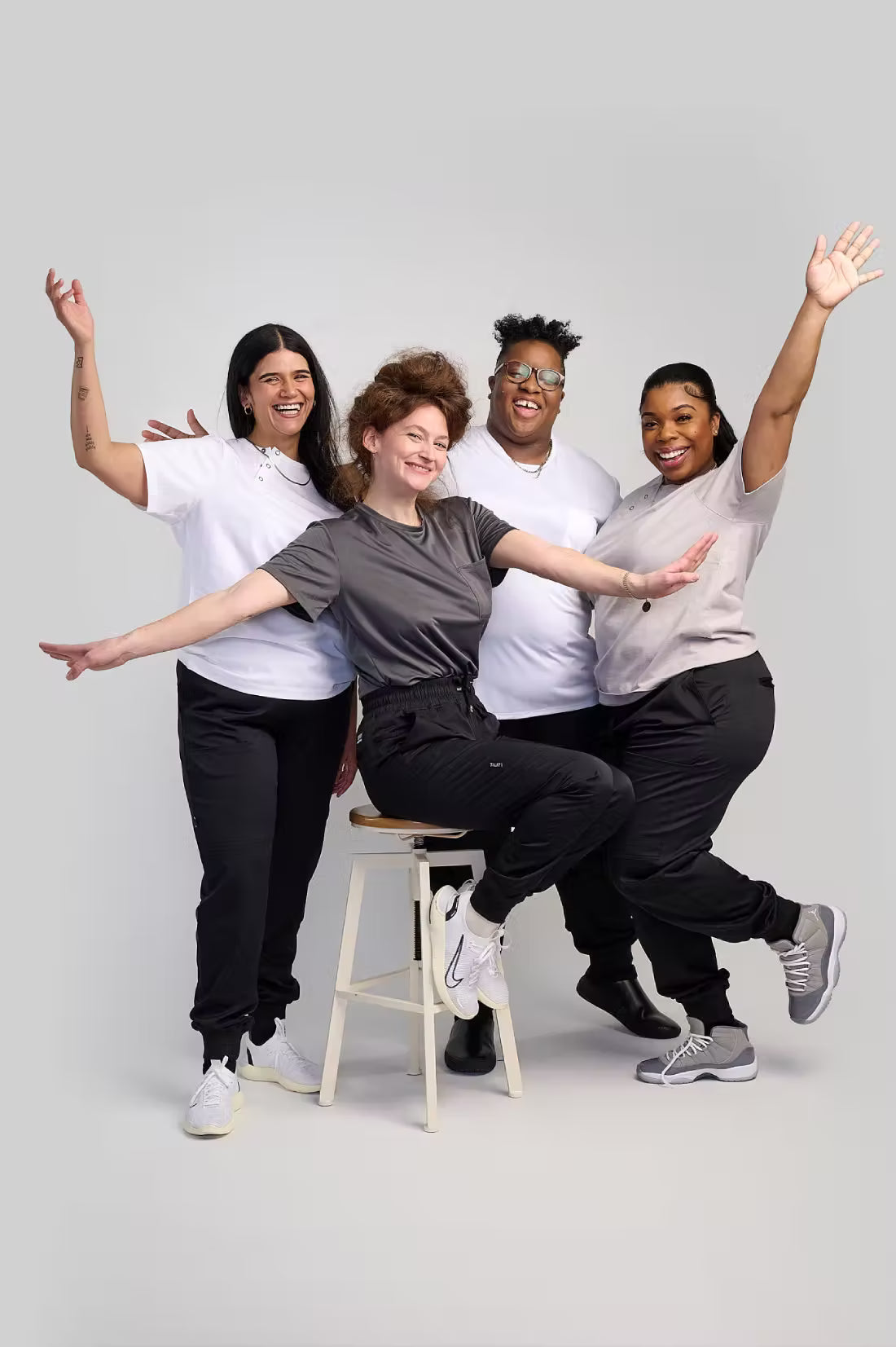
- Fit coverage: call out if you need both unisex and women’s fit options in the same role so ordering stays inclusive.
3) Your SKU count (the constraint that saves you later)
Restaurant apparel programs break when the kit list balloons. Aim for a small, approved set per role with clear substitutions. It helps forecasting, keeps onboarding consistent, and reduces ordering noise across locations.
What to send so the first consult is productive
You don’t need a full spec package to start. You do need enough signal for TILIT to recommend a direction that fits your day-to-day.
- Headcount by role: current staffing and a realistic hiring curve for the next 6–12 months.
- Shift realities: what’s failing today (fit drift between sizes, pocket blowouts, uncomfortable waistbands, restrictive shoulders, layering issues).
- Visual guardrails: color range, formality level, and what’s off-limits (high-contrast logos, visible hardware, etc.).
- Logo assets: provide the best file you have and note placement preferences. If you’re unsure, say that and ask for options.
- Care expectations: how your team launders now (home wash, service, mixed). This changes what details are practical to standardize.
When you’ve got that ready, route everything through the custom uniform consultation entry point so nothing gets lost.
Team discounts and reorders: set the program up to scale
For operators searching “restaurant uniforms” or “food service uniforms,” the hard part is rarely the first order. It’s the tenth. Build your program so reorders are routine:
- Role kits: define exactly what each position wears (and what they don’t).
- Approved combinations: document what layers and colors are allowed together.
- Replacement rules: decide how you handle new hires, seasonal spikes, and inevitable losses.
- One owner internally: one person responsible for the program prevents “helpful” one-off changes.
TILIT’s point of view stays consistent: built for the kitchen, a fit for everyone, and wearable across the full week of service. Keep your uniform system tight and your team can focus on the work.
Selection questions that usually decide the direction
Do we need fully custom, or a standardized program?
If the issue is inconsistency (different looks per shift, uneven fit, hard-to-replace items), a standardized program with clear rules gets you most of the way. If you have non-negotiable functional needs or a very specific visual language, custom is the right tool. Either way, plan around reordering from day one.
How do we keep sizing clean across a diverse team?
Choose your fit strategy upfront (unisex only, or a mix of unisex and women’s fit), then pick a sizing method you can repeat: try-on, measured, or manager-issued based on known baselines. Consistency beats constant tweaking.
What should we do if we’re opening additional locations?
Lock a core kit that stays identical everywhere, then allow only one controlled differentiator per location if you need it. That protects your brand while keeping ordering predictable.
Next step: consolidate your notes and send them through the TILIT custom uniforms request page.
Frequently Asked Questions About custom restaurant uniforms
What’s the fastest way to get a useful quote or recommendation?
Share headcount by role, your must-have functional details (pocket map, closures, layering needs), your color/formality guardrails, and how you plan to reorder for new hires. That’s enough to start without over-building a spec doc.
Can one program cover both FOH and BOH without looking messy?
Yes. Use a shared visual language (color and core silhouettes), then vary the functional details by role. Keep the rules written down so managers aren’t making on-the-fly substitutions.
How do we prevent SKU creep across multiple locations?
Set a small, approved kit per role and document allowed combinations. If you need location distinction, use one controlled element (for example, a single color choice or a consistent logo placement rule) instead of adding entirely new garments.
Do you recommend unisex only, or adding women’s fit options?
If your team needs broader fit coverage, adding women’s fit options can reduce workarounds and keep the uniform looking intentional. The key is to standardize how you assign sizes so reorders stay consistent.
How should we think about team discounts?
Come prepared with your expected unit counts, reorder cadence, and how many roles you’re outfitting. The clearer your program and repeat ordering plan, the easier it is to structure a workable team setup.